Jazz produced no instrument more versatile, more exposed, more nakedly itself than the piano. You can’t hide behind it. What you hear is exactly what the player is thinking.
Robin D. G. Kelley spent fifteen years writing Thelonious Monk: The Life and Times of an American Original (Free Press). The result is the standard — the biography against which all subsequent jazz biographies are measured. Kelley had access to family archives, private recordings, and sources that have since died. He found a man far more complicated than the myth: not the eccentric savant, but a deliberate, exacting composer who knew precisely what he was doing and suffered the consequences when the world couldn’t hear it.
Peter Pettinger’s Bill Evans: How My Heart Sings (Yale University Press) is the essential Evans book — and one of the strangest. Evans was, in some ways, the opposite of Monk: where Monk was angular, Evans was curved; where Monk played space, Evans dissolved into it. Pettinger, himself a pianist, writes from inside the music, tracing what Evans was actually doing harmonically and rhythmically at a level of technical precision no other Evans biography approaches.
Daniel Mark Epstein’s Nat King Cole (Farrar, Straus and Giroux) is the most literary of the three — appropriately, since Nat was the most crossover. Epstein treats Cole as a figure who contained multitudes: the jazz pianist’s pianist, the velvet pop star, the Black entertainer navigating Jim Crow America at the height of his fame. It is a book about what it cost to make art look effortless.
Together they map the full range of jazz piano in the American century: the bebop eccentric, the introspective impressionist, the crossover legend. Each is a definitive work in its lane. All three are Like New — clean dust jackets, no markings, spines uncracked.
Jazz produced no instrument more versatile, more exposed, more nakedly itself than the piano. You can’t hide behind it. What you hear is exactly what the player is thinking.
Robin D. G. Kelley spent fifteen years writing Thelonious Monk: The Life and Times of an American Original (Free Press). The result is the standard — the biography against which all subsequent jazz biographies are measured. Kelley had access to family archives, private recordings, and sources that have since died. He found a man far more complicated than the myth: not the eccentric savant, but a deliberate, exacting composer who knew precisely what he was doing and suffered the consequences when the world couldn’t hear it.
Peter Pettinger’s Bill Evans: How My Heart Sings (Yale University Press) is the essential Evans book — and one of the strangest. Evans was, in some ways, the opposite of Monk: where Monk was angular, Evans was curved; where Monk played space, Evans dissolved into it. Pettinger, himself a pianist, writes from inside the music, tracing what Evans was actually doing harmonically and rhythmically at a level of technical precision no other Evans biography approaches.
Daniel Mark Epstein’s Nat King Cole (Farrar, Straus and Giroux) is the most literary of the three — appropriately, since Nat was the most crossover. Epstein treats Cole as a figure who contained multitudes: the jazz pianist’s pianist, the velvet pop star, the Black entertainer navigating Jim Crow America at the height of his fame. It is a book about what it cost to make art look effortless.
Together they map the full range of jazz piano in the American century: the bebop eccentric, the introspective impressionist, the crossover legend. Each is a definitive work in its lane. All three are Like New — clean dust jackets, no markings, spines uncracked.
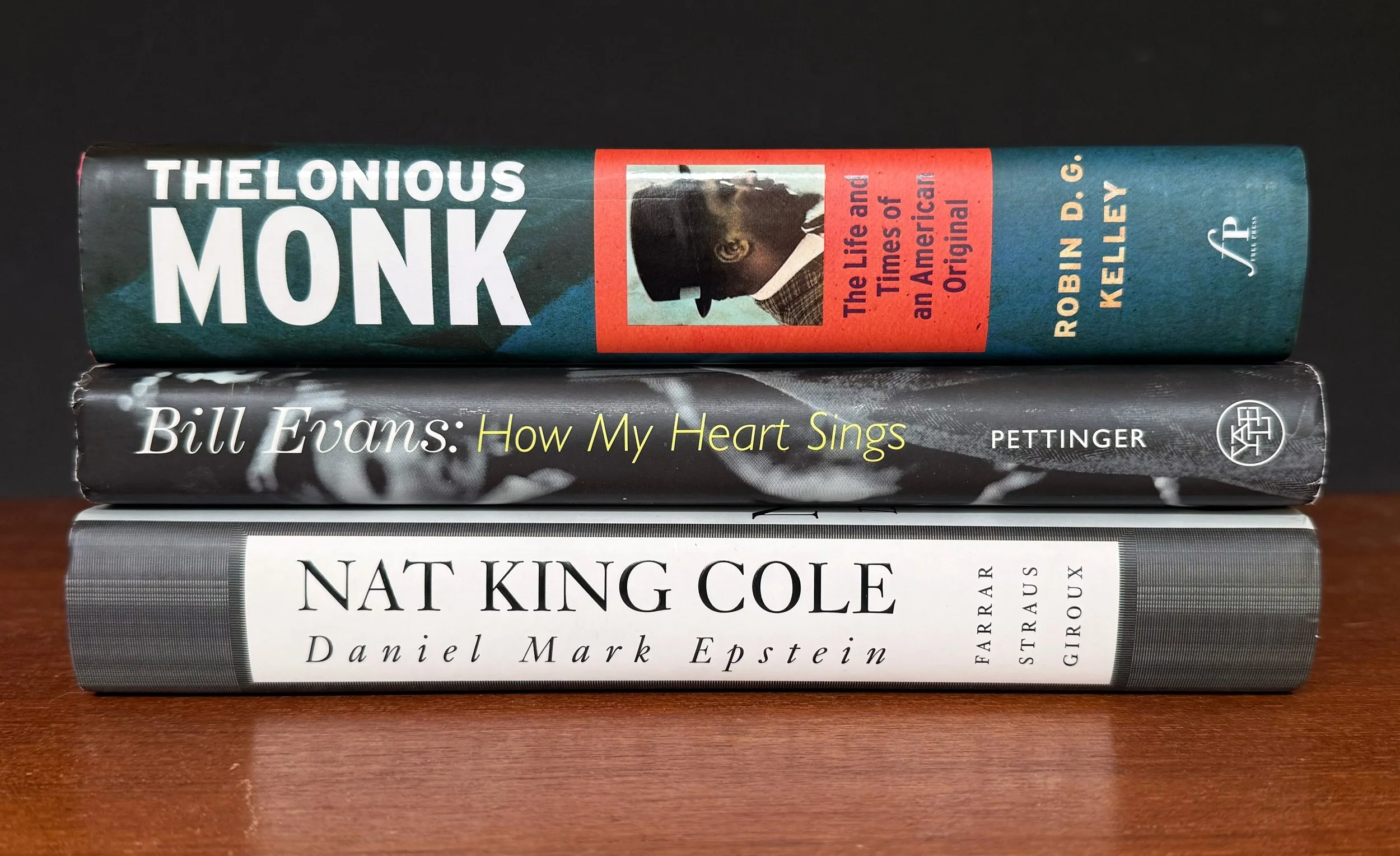 Image 1 of 7
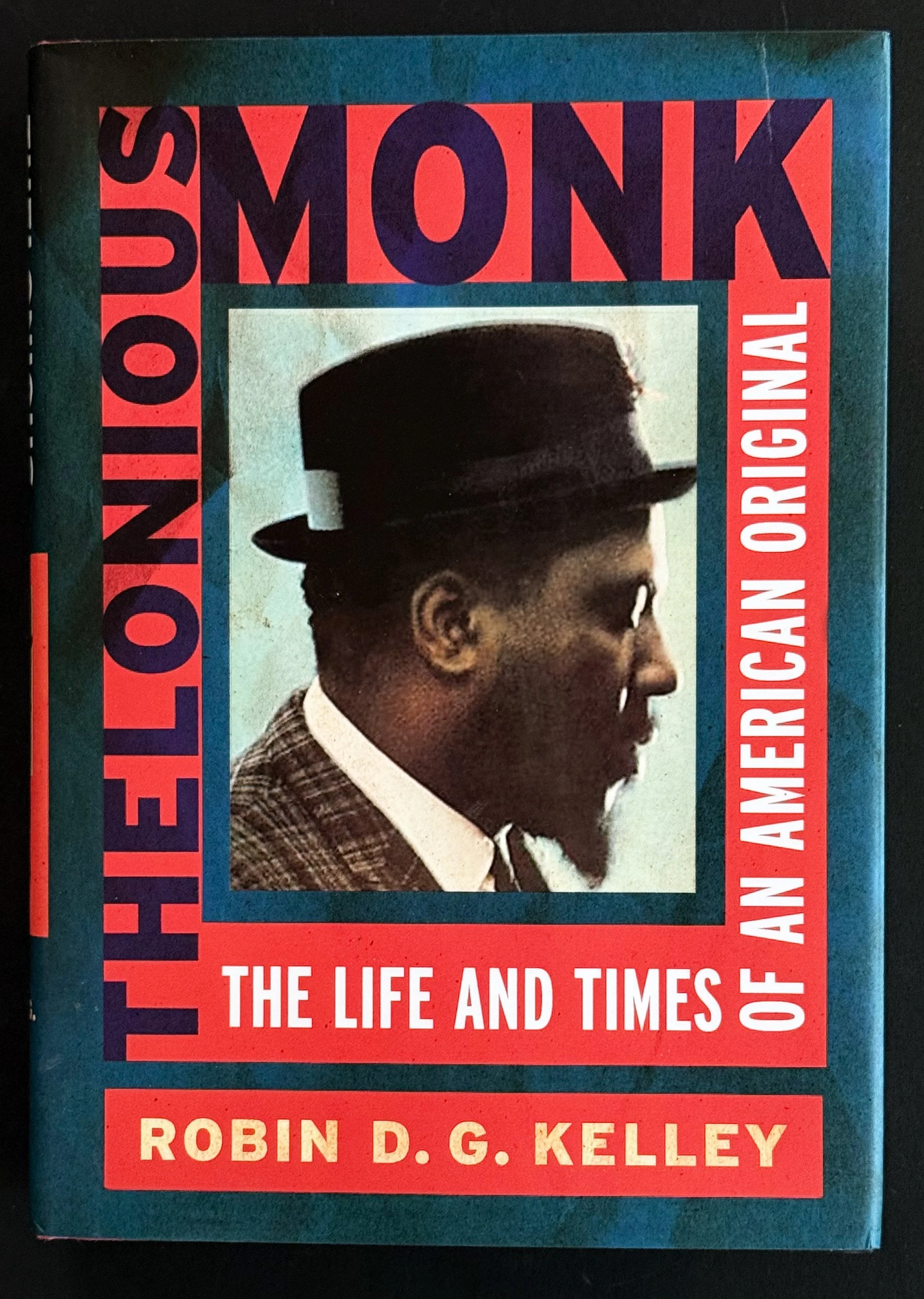 Image 2 of 7
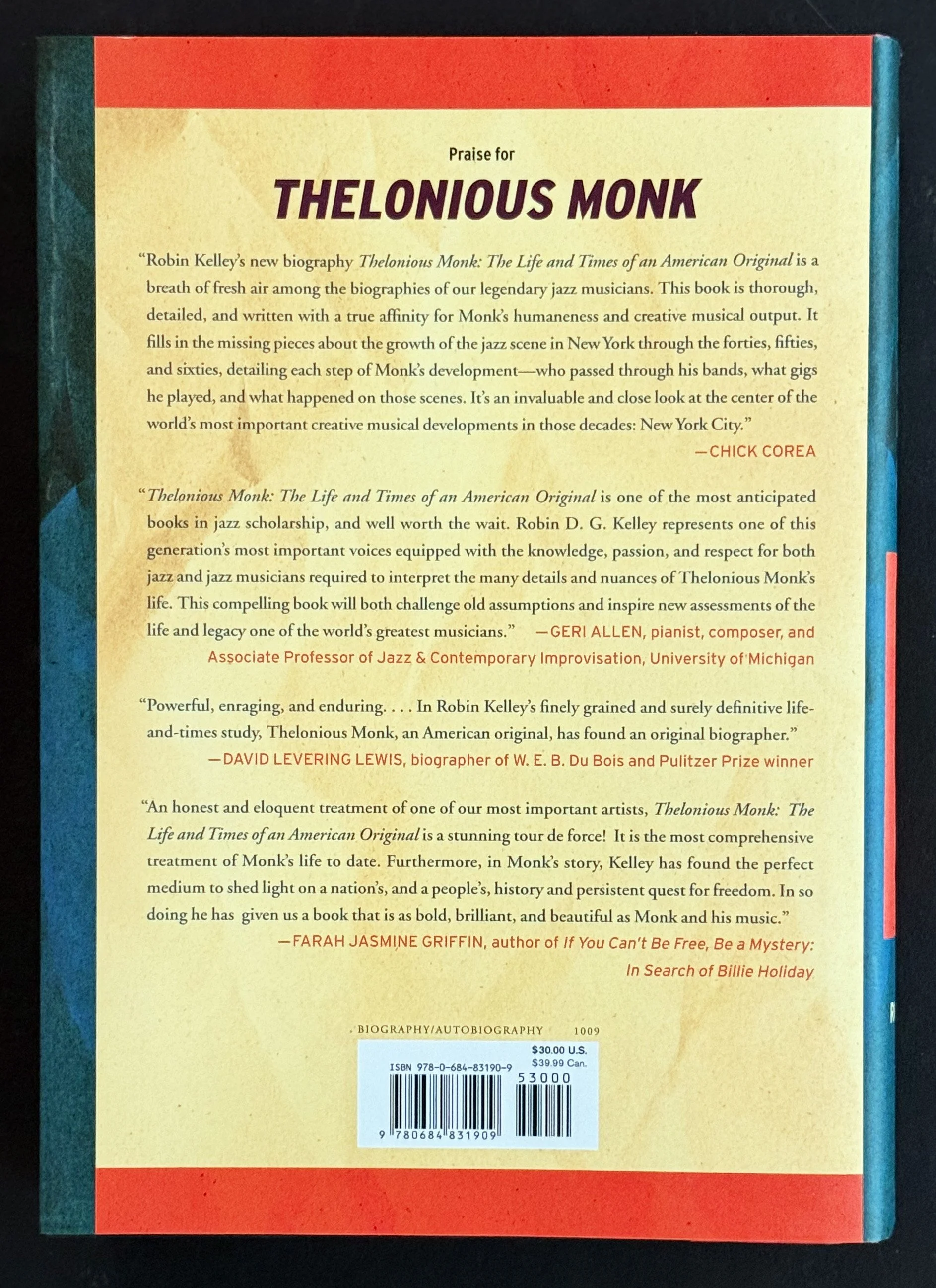 Image 3 of 7
 Image 4 of 7
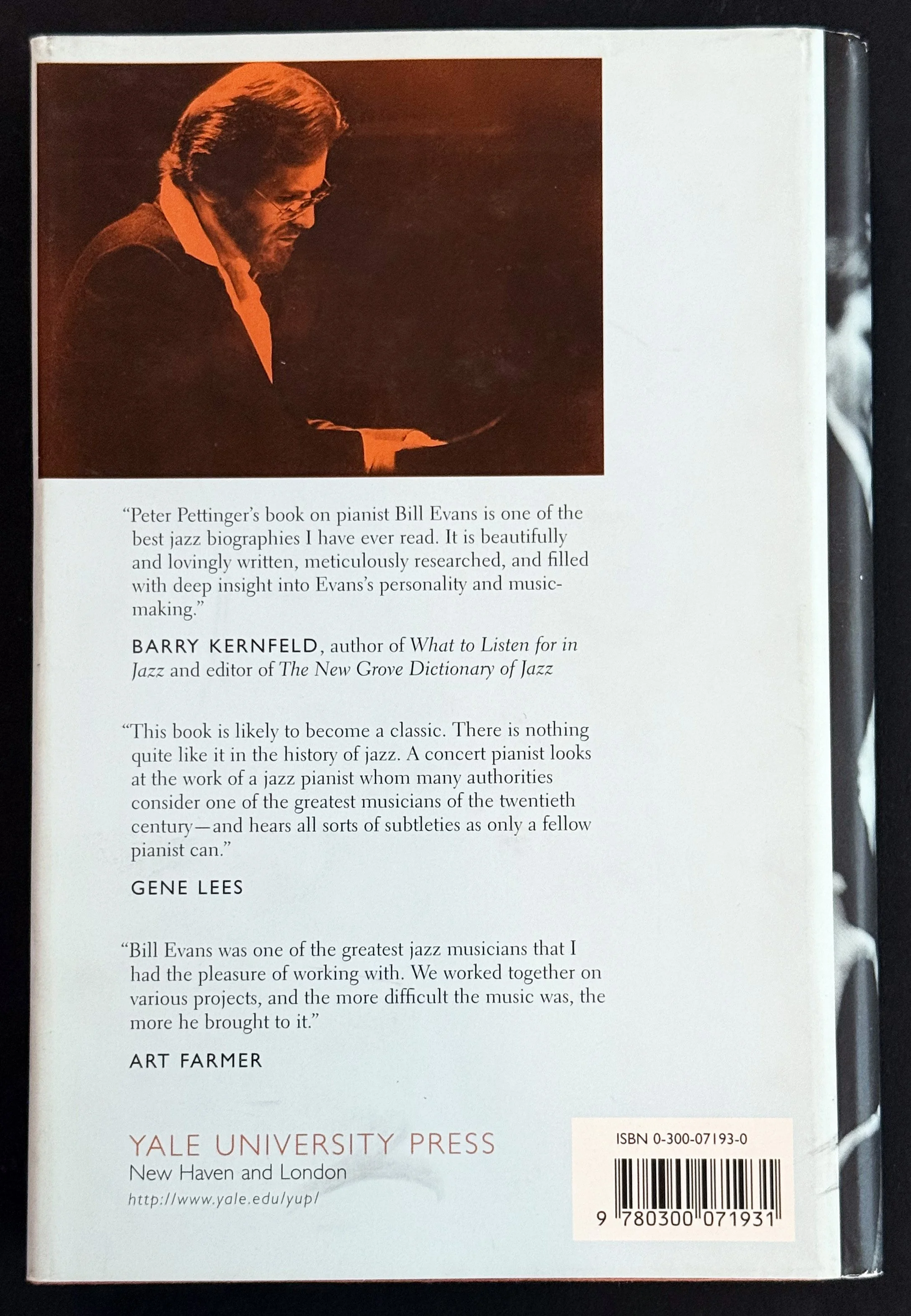 Image 5 of 7
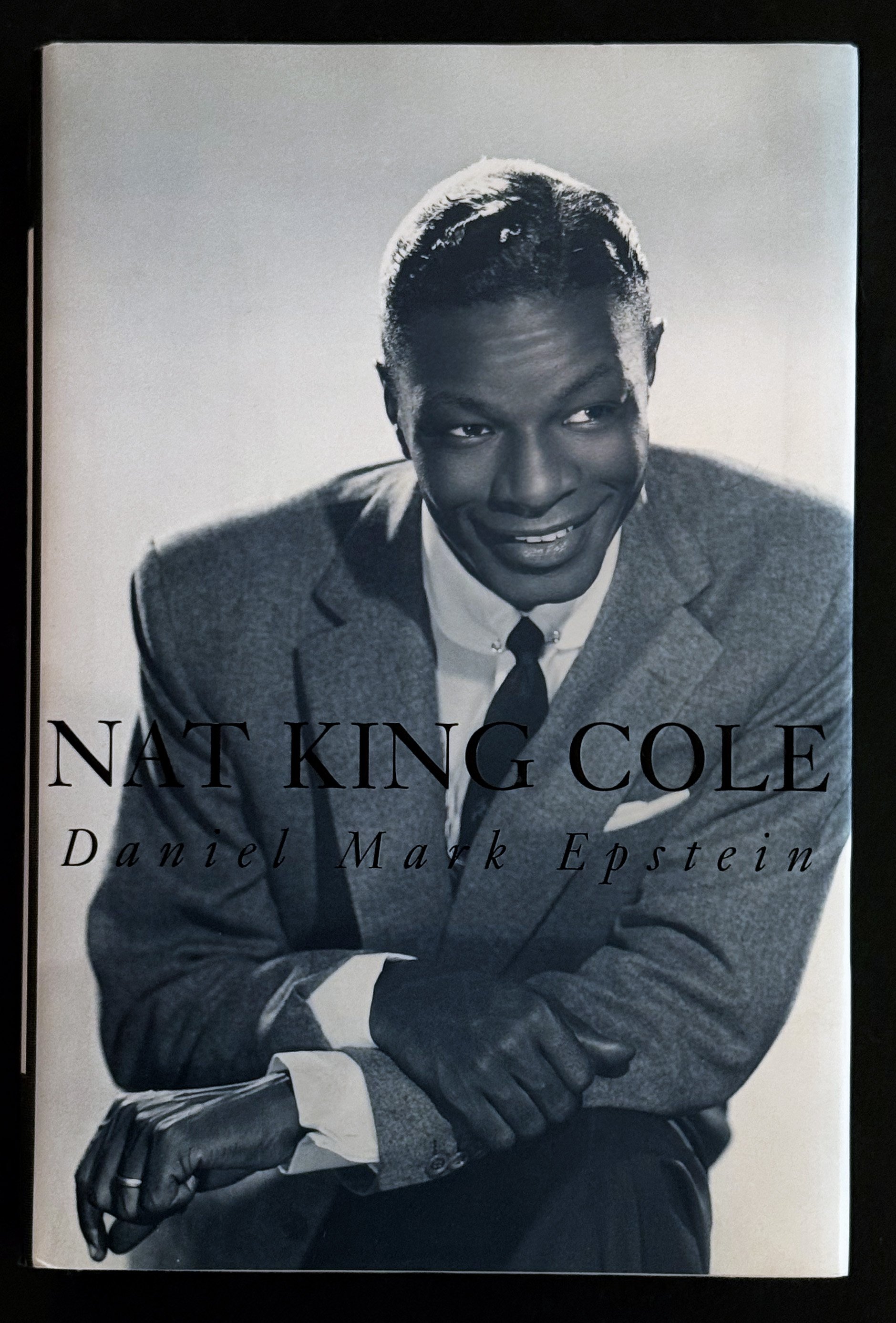 Image 6 of 7
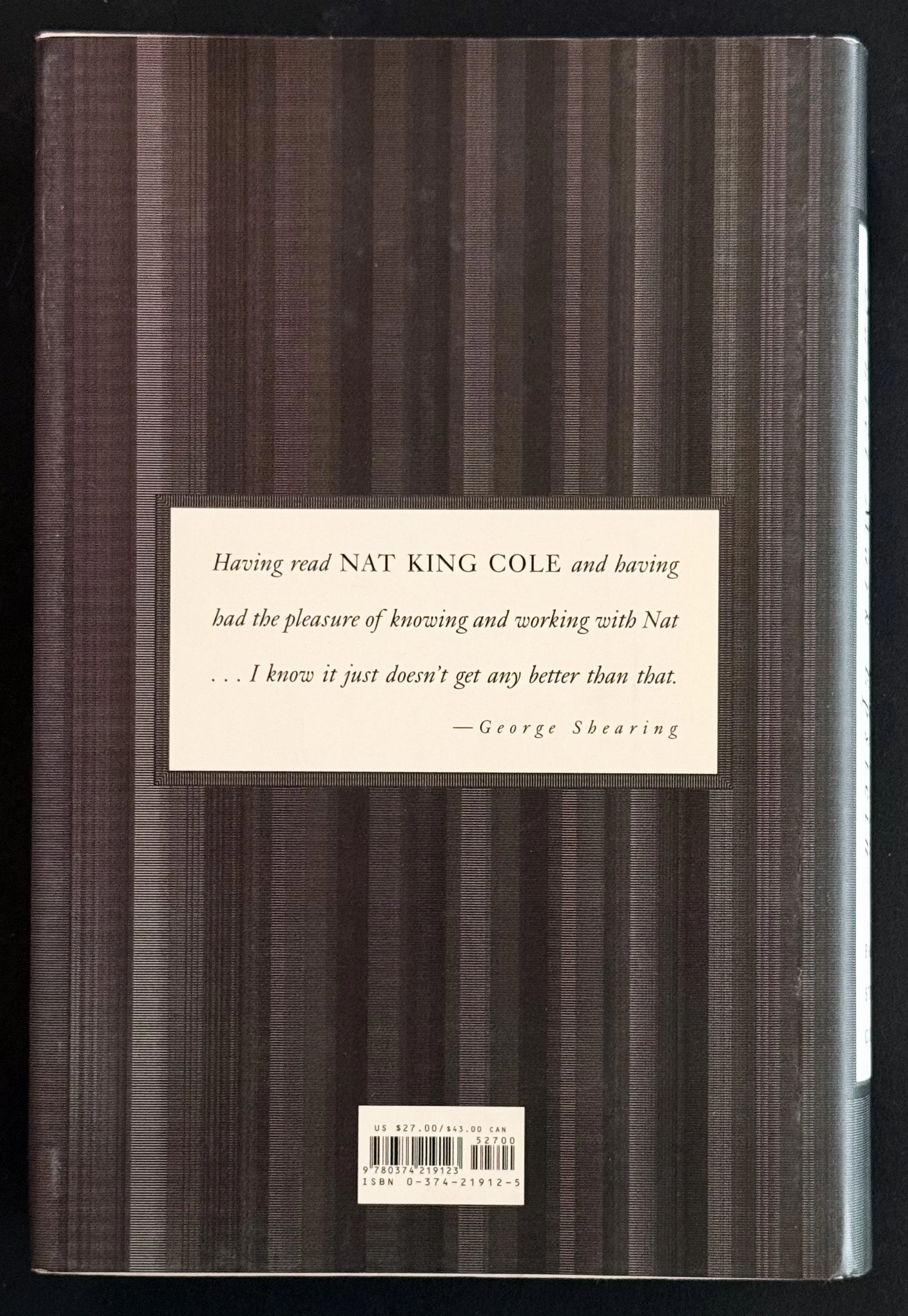 Image 7 of 7