Some books are meant to be read. These two are meant to be opened flat on a table and gotten lost in.
Far Out: A Space-Time Chronicle and Cosmos: A Field Guide both belong to a small shelf of astrophotography books that earned real critical attention outside the astronomy world — praised in the same breath as 2001: A Space Odyssey by the film’s own visual effects supervisor. Together they cover the same territory from two different angles: Far Out as a chronological journey through space-time, Cosmos as a structured field guide from Earth’s orbit to the edge of the observable universe.
Both are oversized hardcovers with dust jackets, showing honest wear from a life on the shelf — light scuffing, scratches, minor tears, a bumped corner — but the photography inside, hundreds of images between the two volumes, is undiminished.
Some books are meant to be read. These two are meant to be opened flat on a table and gotten lost in.
Far Out: A Space-Time Chronicle and Cosmos: A Field Guide both belong to a small shelf of astrophotography books that earned real critical attention outside the astronomy world — praised in the same breath as 2001: A Space Odyssey by the film’s own visual effects supervisor. Together they cover the same territory from two different angles: Far Out as a chronological journey through space-time, Cosmos as a structured field guide from Earth’s orbit to the edge of the observable universe.
Both are oversized hardcovers with dust jackets, showing honest wear from a life on the shelf — light scuffing, scratches, minor tears, a bumped corner — but the photography inside, hundreds of images between the two volumes, is undiminished.
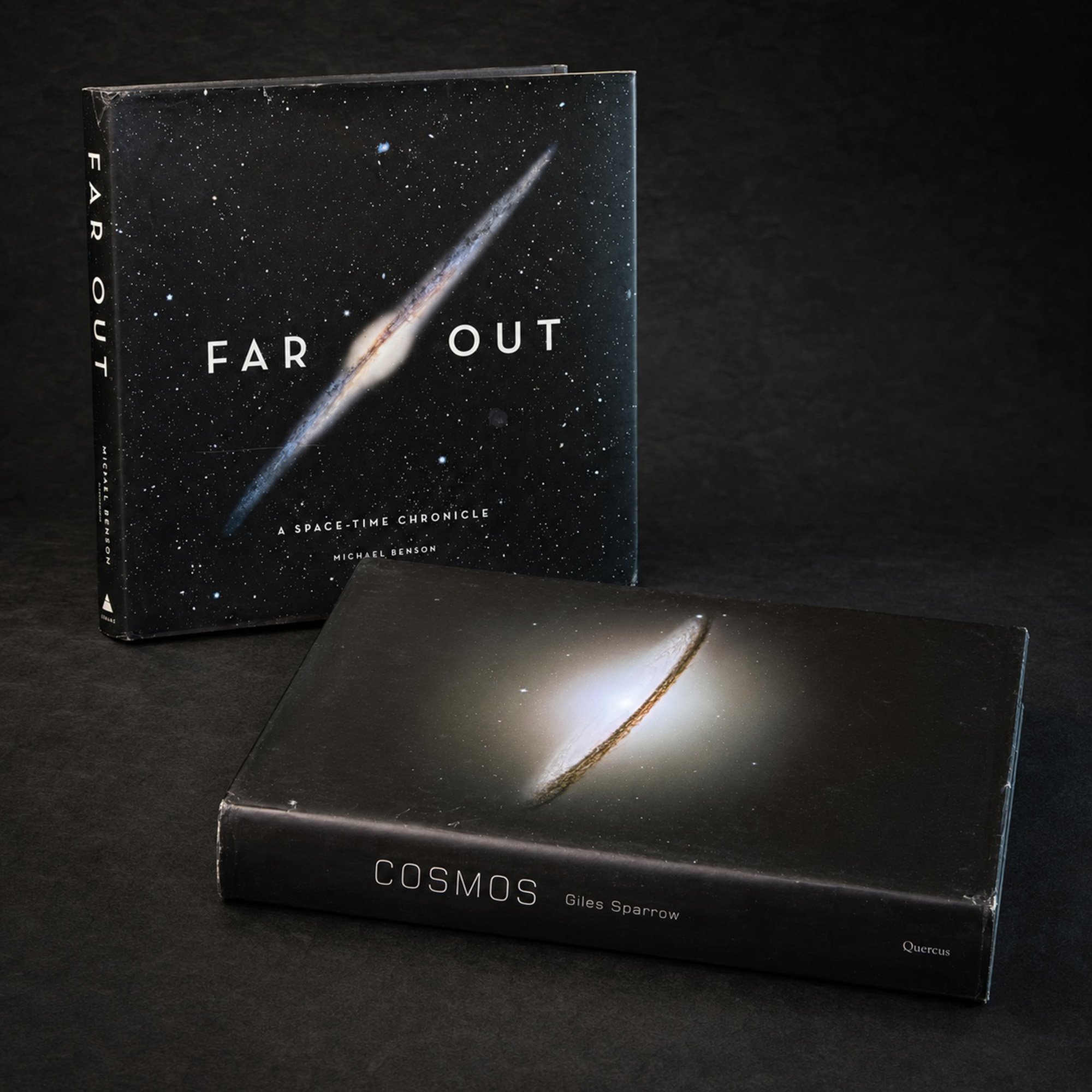 Image 1 of 9
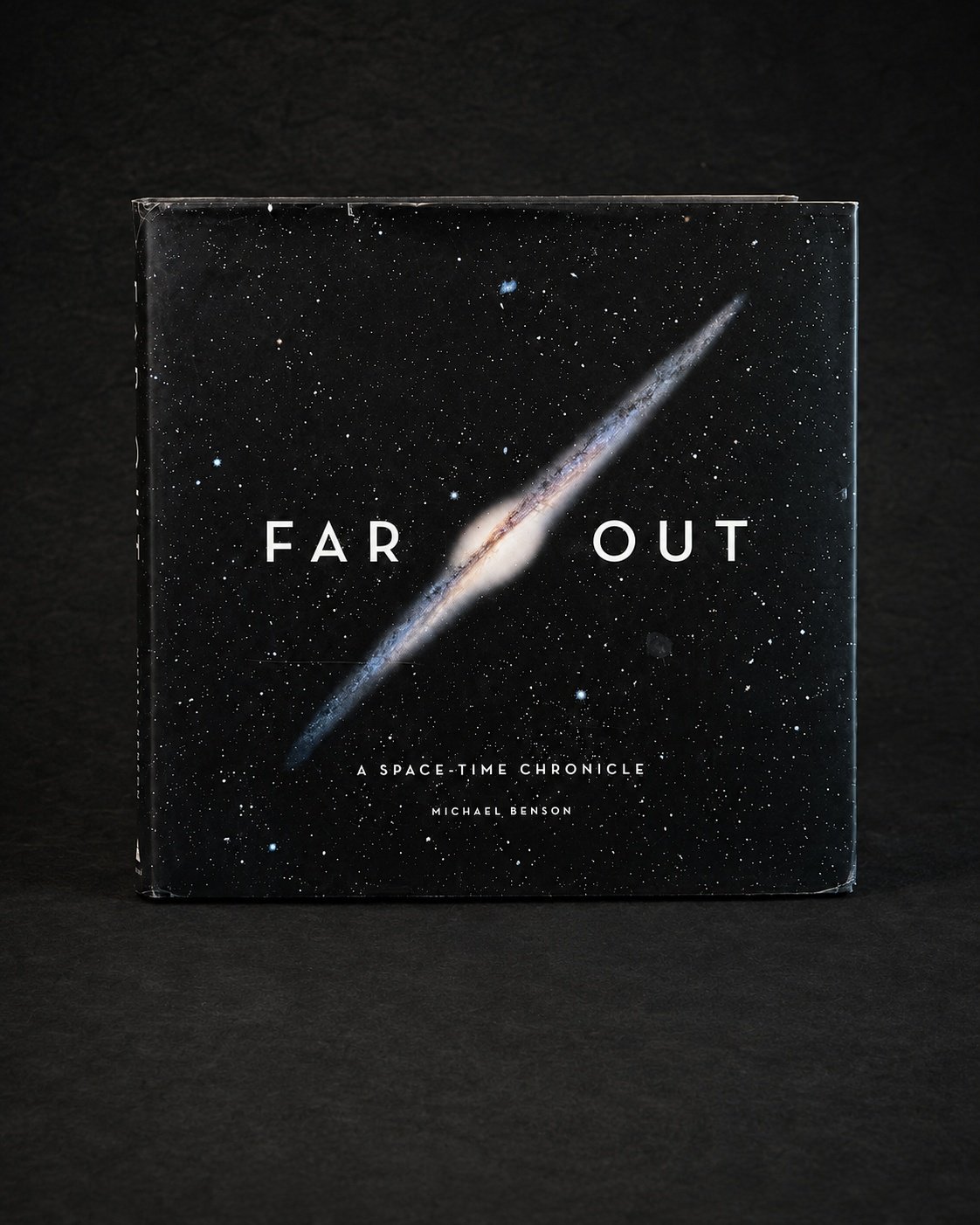 Image 2 of 9
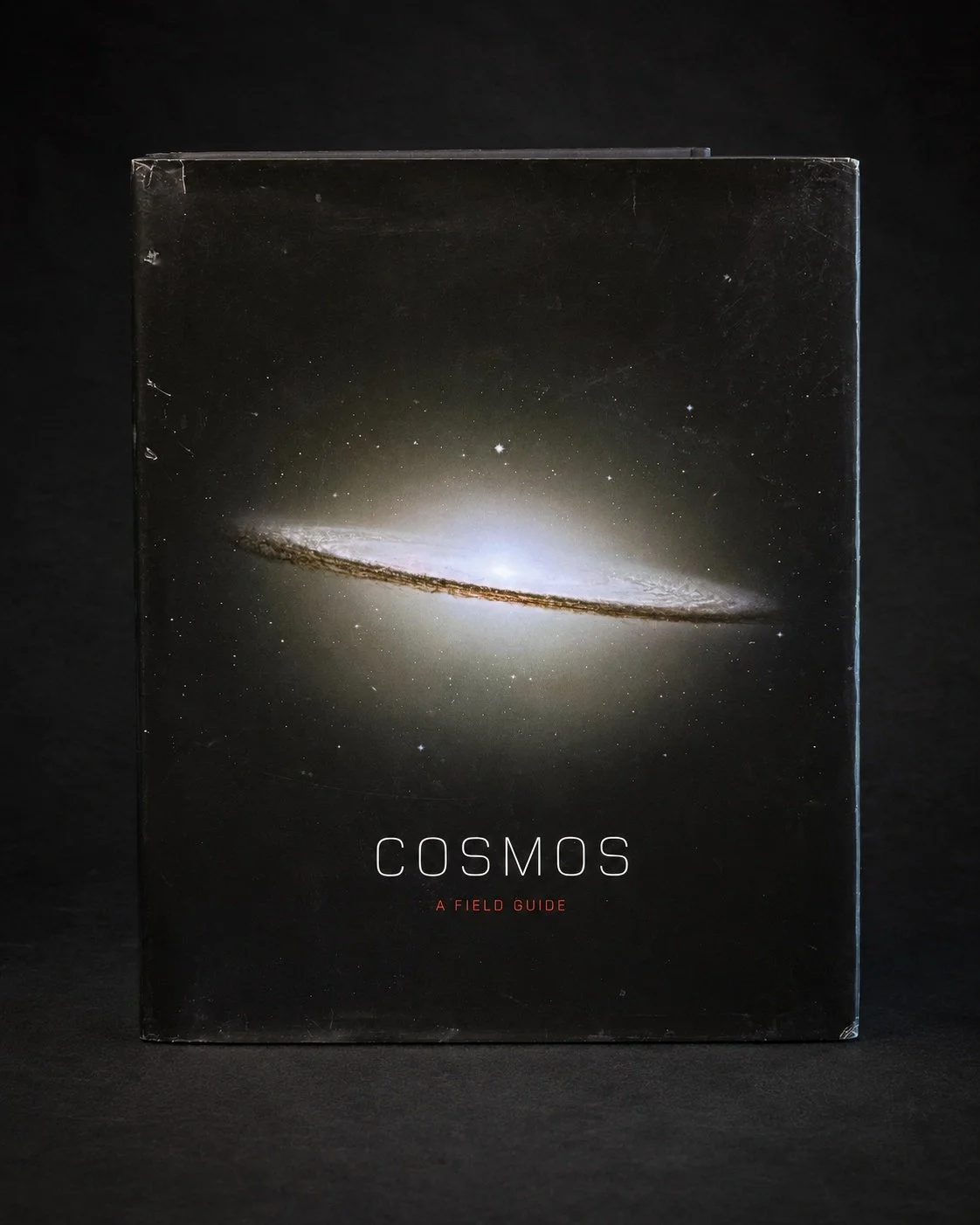 Image 3 of 9
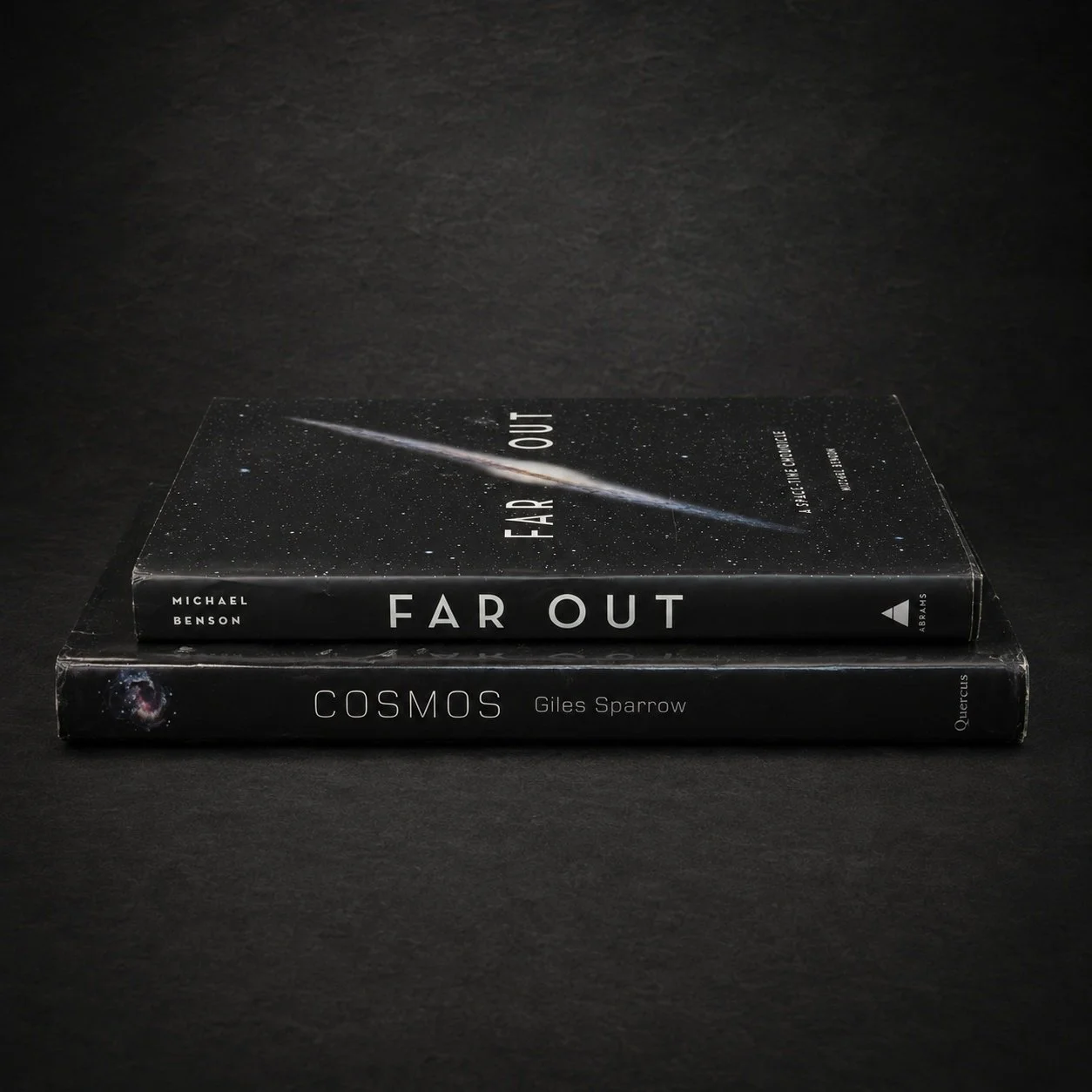 Image 4 of 9
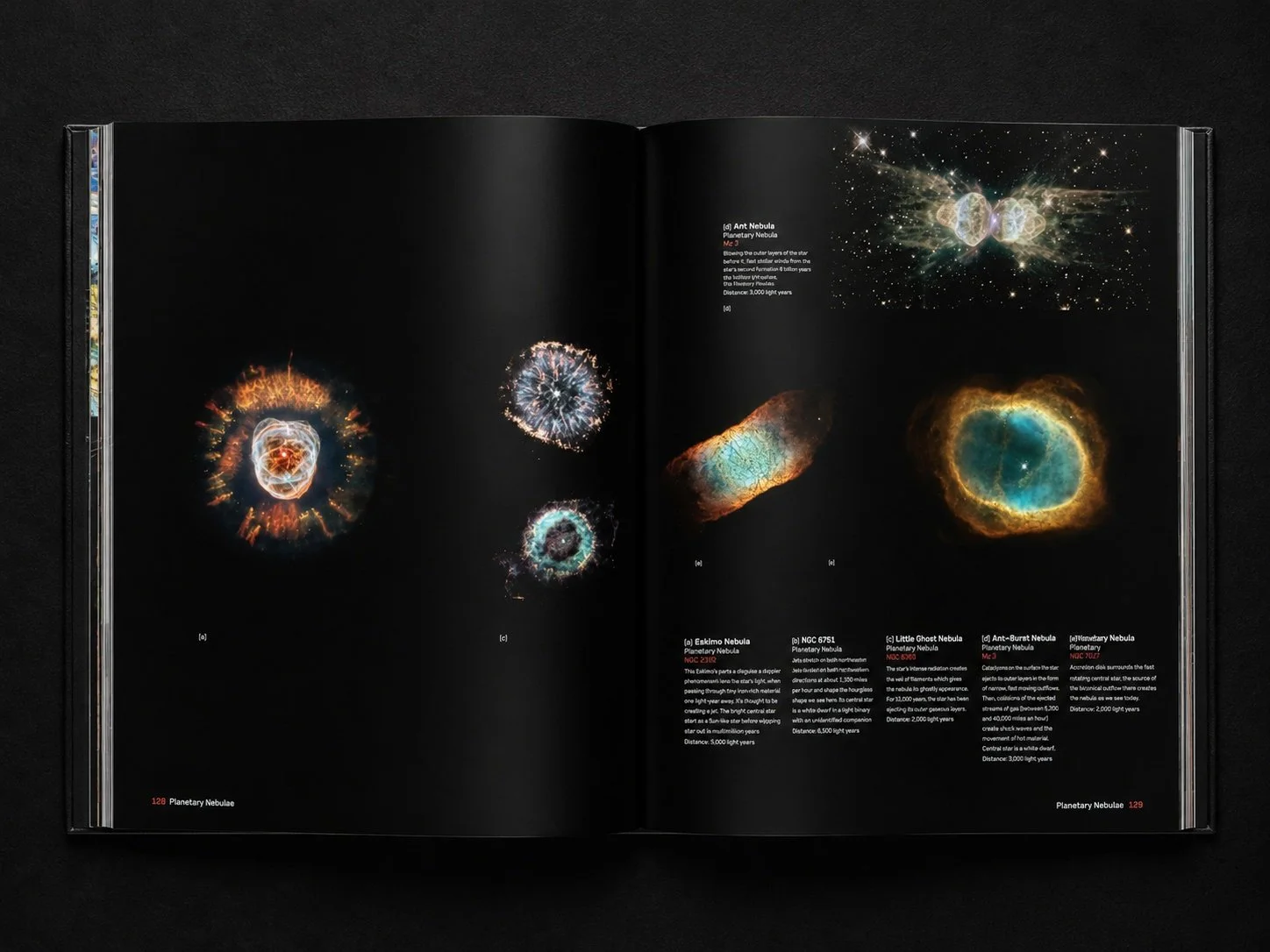 Image 5 of 9
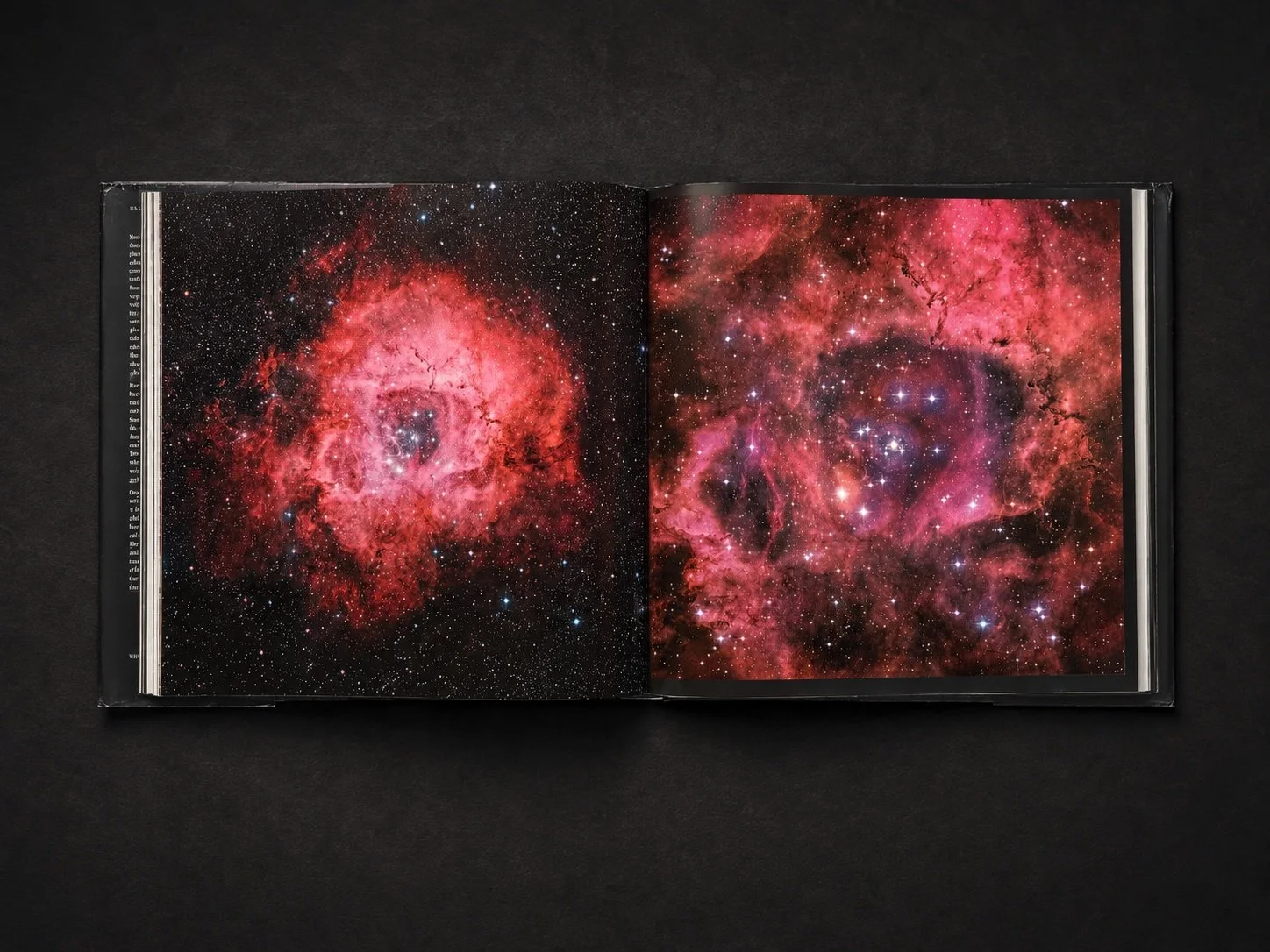 Image 6 of 9
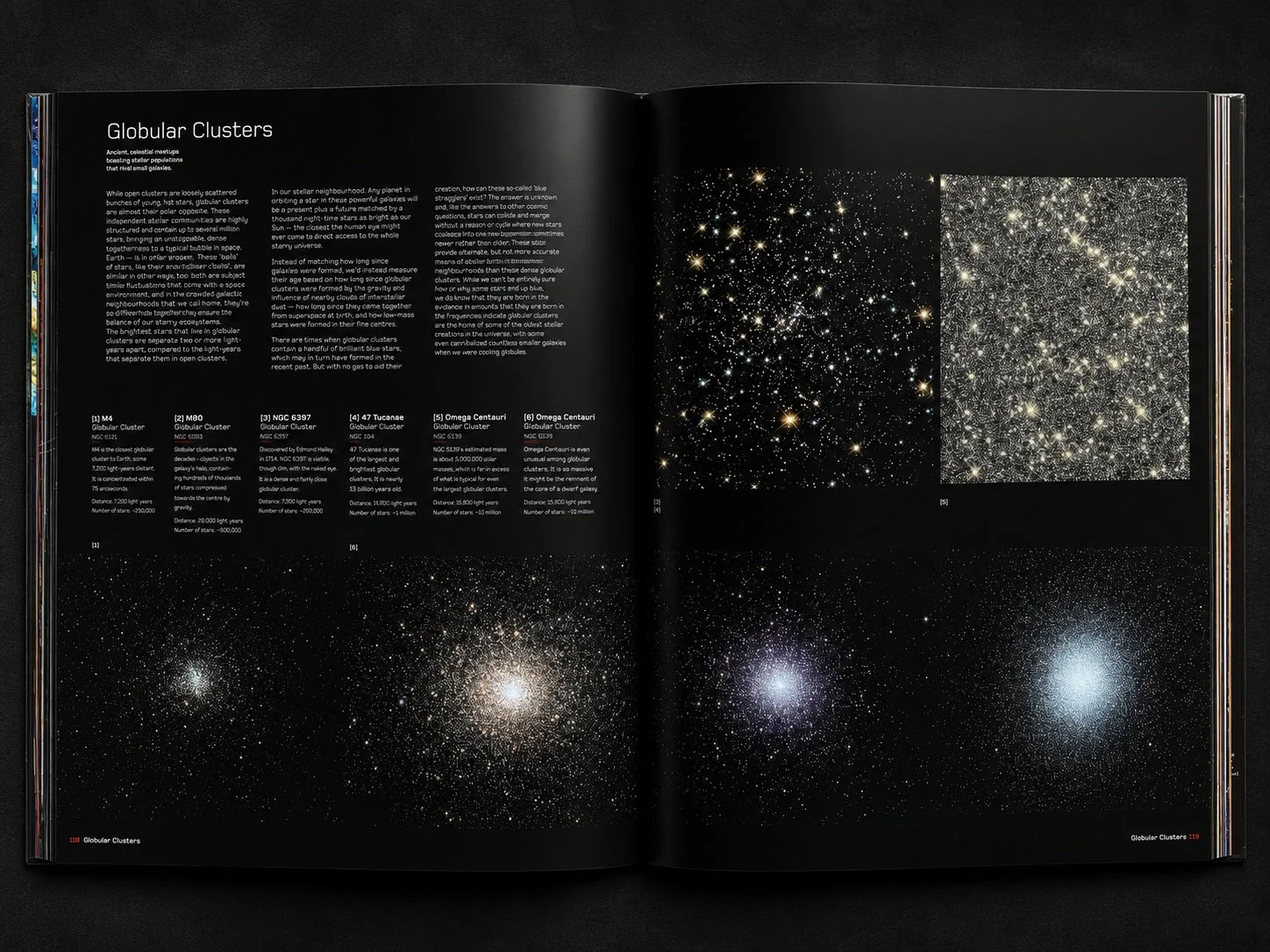 Image 7 of 9
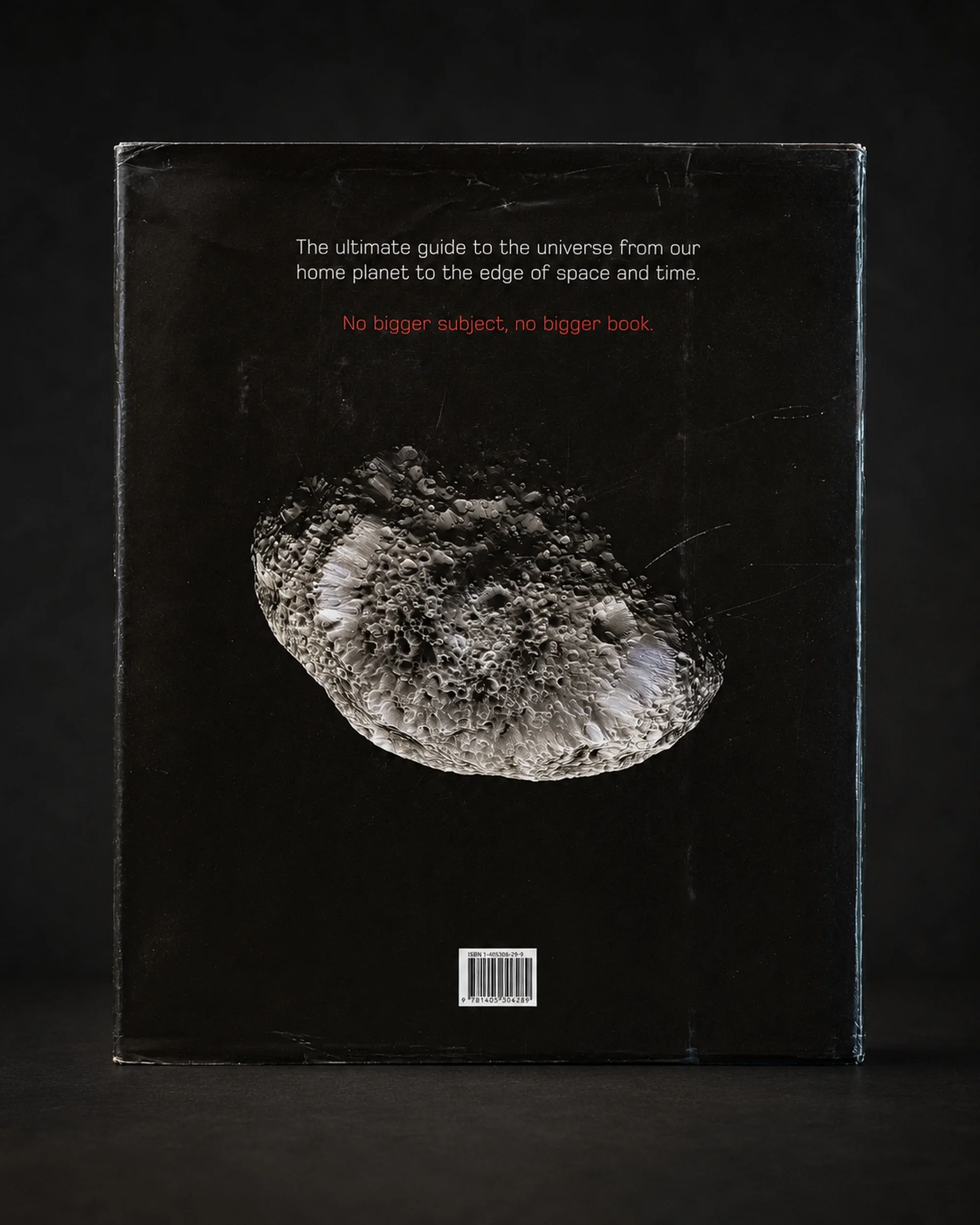 Image 8 of 9
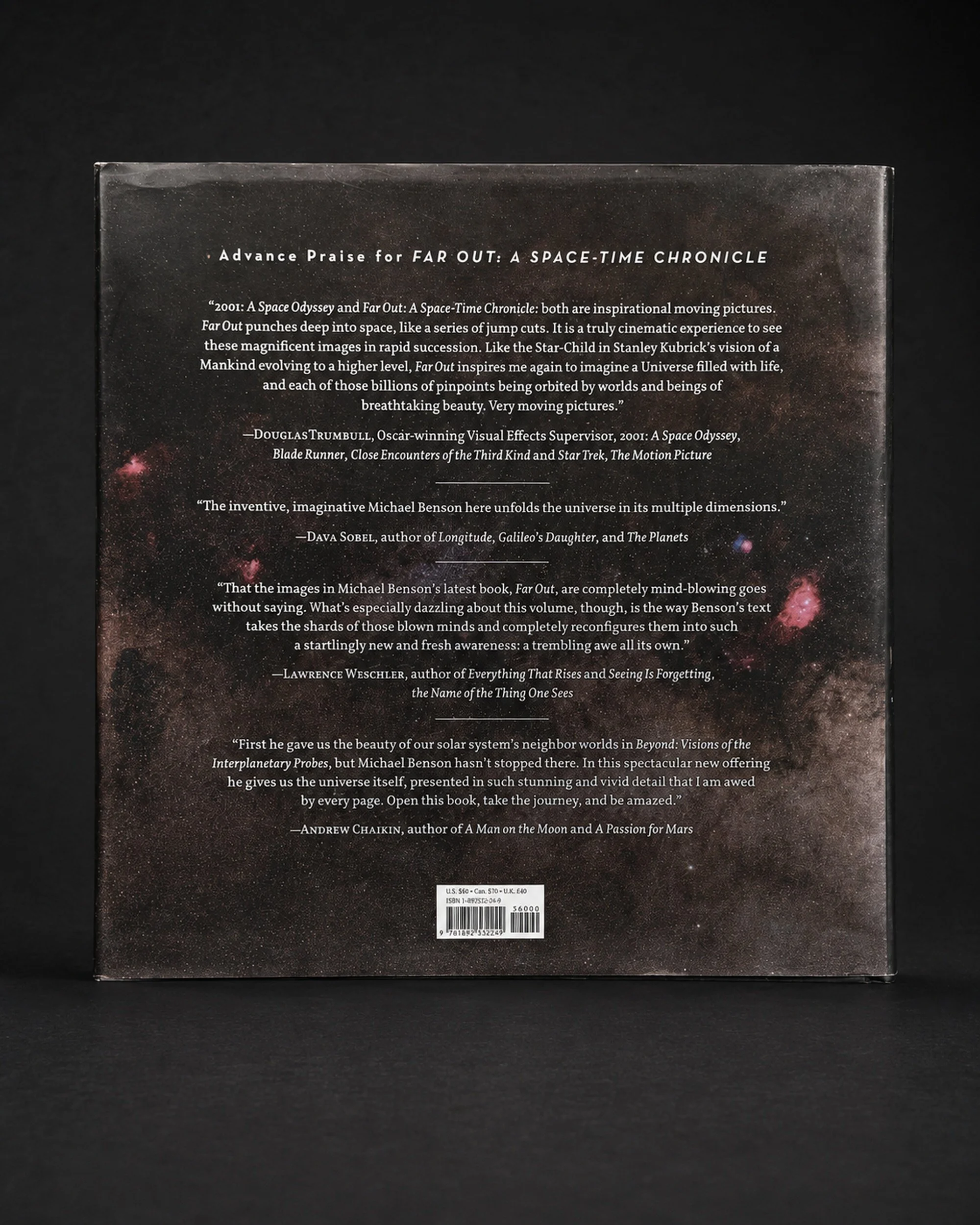 Image 9 of 9