Before there was a Cat in a Hat, there was a Chief on a wagon.
In the years around 1940, a young Theodor Geisel — still building a living in commercial illustration, still a decade from the picture books that would make “Dr. Seuss” a household name — took a job that would have seemed unremarkable at the time: advertising work for the Narragansett Brewing Company of Rhode Island. The brewery’s mascot was Chief Gansett, and Geisel set him loose. On this 12-inch lithographed tin tray, the Chief tears across the surface on a little wagon, a foaming glass held impossibly aloft, a wide-eyed cat scrambling in his wake. “Gangway for Gansett!” the lettering shouts. “Too Good to Miss!” yelps the cat. And there, lower right, the signature that turns a beer tray into something more: Dr. Seuss.
The line work is unmistakably his — the rubbery motion, the gleeful absurdity, the animal sidekick stealing the corner of the frame. You can see the picture-book artist forming inside the ad man.
We believe this to be an original example, manufactured by American Art Works of Coshocton, Ohio — the firm documented as the maker of the period original. Everything we can examine supports it: the full 12-inch diameter, the coarse offset-lithography dot screen visible under magnification, the formed-and-rolled steel rim, and a reverse that carries no modern copyright or importer marks — only the oxidation and fine craquelure of real age. We stop short of calling it certified; we have not submitted it to a breweriana authentication specialist, and we would rather you have our honest read than our marketing.
Its condition is the condition of an object that lived. The front is bright and complete, the colors still singing, with only light surface wear. The red rim carries several enamel chips where eight decades of handling wore through to the metal. The back is oxidized and crackled. None of this is hidden, and none of it should be: this was a working tray, made to carry glasses in taprooms and kitchens, not to sit untouched under glass. The wear is not damage to apologize for. It is the provenance.
A word, plainly, about the image. Chief Gansett is a period Indigenous caricature — the kind of mascot mid-century American advertising deployed without a second thought. We don’t scrub that from the record or soften it. The tray belongs to a real and complicated moment: the early commercial career of one of the century’s most beloved illustrators, the golden age of New England brewing, and the era’s casual, now-uncomfortable use of stereotyped imagery. A serious collector deserves the whole picture, not a flattering crop of it.
A hero of early Seuss, a relic of Rhode Island, and a genuinely charming object. Gangway.
Before there was a Cat in a Hat, there was a Chief on a wagon.
In the years around 1940, a young Theodor Geisel — still building a living in commercial illustration, still a decade from the picture books that would make “Dr. Seuss” a household name — took a job that would have seemed unremarkable at the time: advertising work for the Narragansett Brewing Company of Rhode Island. The brewery’s mascot was Chief Gansett, and Geisel set him loose. On this 12-inch lithographed tin tray, the Chief tears across the surface on a little wagon, a foaming glass held impossibly aloft, a wide-eyed cat scrambling in his wake. “Gangway for Gansett!” the lettering shouts. “Too Good to Miss!” yelps the cat. And there, lower right, the signature that turns a beer tray into something more: Dr. Seuss.
The line work is unmistakably his — the rubbery motion, the gleeful absurdity, the animal sidekick stealing the corner of the frame. You can see the picture-book artist forming inside the ad man.
We believe this to be an original example, manufactured by American Art Works of Coshocton, Ohio — the firm documented as the maker of the period original. Everything we can examine supports it: the full 12-inch diameter, the coarse offset-lithography dot screen visible under magnification, the formed-and-rolled steel rim, and a reverse that carries no modern copyright or importer marks — only the oxidation and fine craquelure of real age. We stop short of calling it certified; we have not submitted it to a breweriana authentication specialist, and we would rather you have our honest read than our marketing.
Its condition is the condition of an object that lived. The front is bright and complete, the colors still singing, with only light surface wear. The red rim carries several enamel chips where eight decades of handling wore through to the metal. The back is oxidized and crackled. None of this is hidden, and none of it should be: this was a working tray, made to carry glasses in taprooms and kitchens, not to sit untouched under glass. The wear is not damage to apologize for. It is the provenance.
A word, plainly, about the image. Chief Gansett is a period Indigenous caricature — the kind of mascot mid-century American advertising deployed without a second thought. We don’t scrub that from the record or soften it. The tray belongs to a real and complicated moment: the early commercial career of one of the century’s most beloved illustrators, the golden age of New England brewing, and the era’s casual, now-uncomfortable use of stereotyped imagery. A serious collector deserves the whole picture, not a flattering crop of it.
A hero of early Seuss, a relic of Rhode Island, and a genuinely charming object. Gangway.
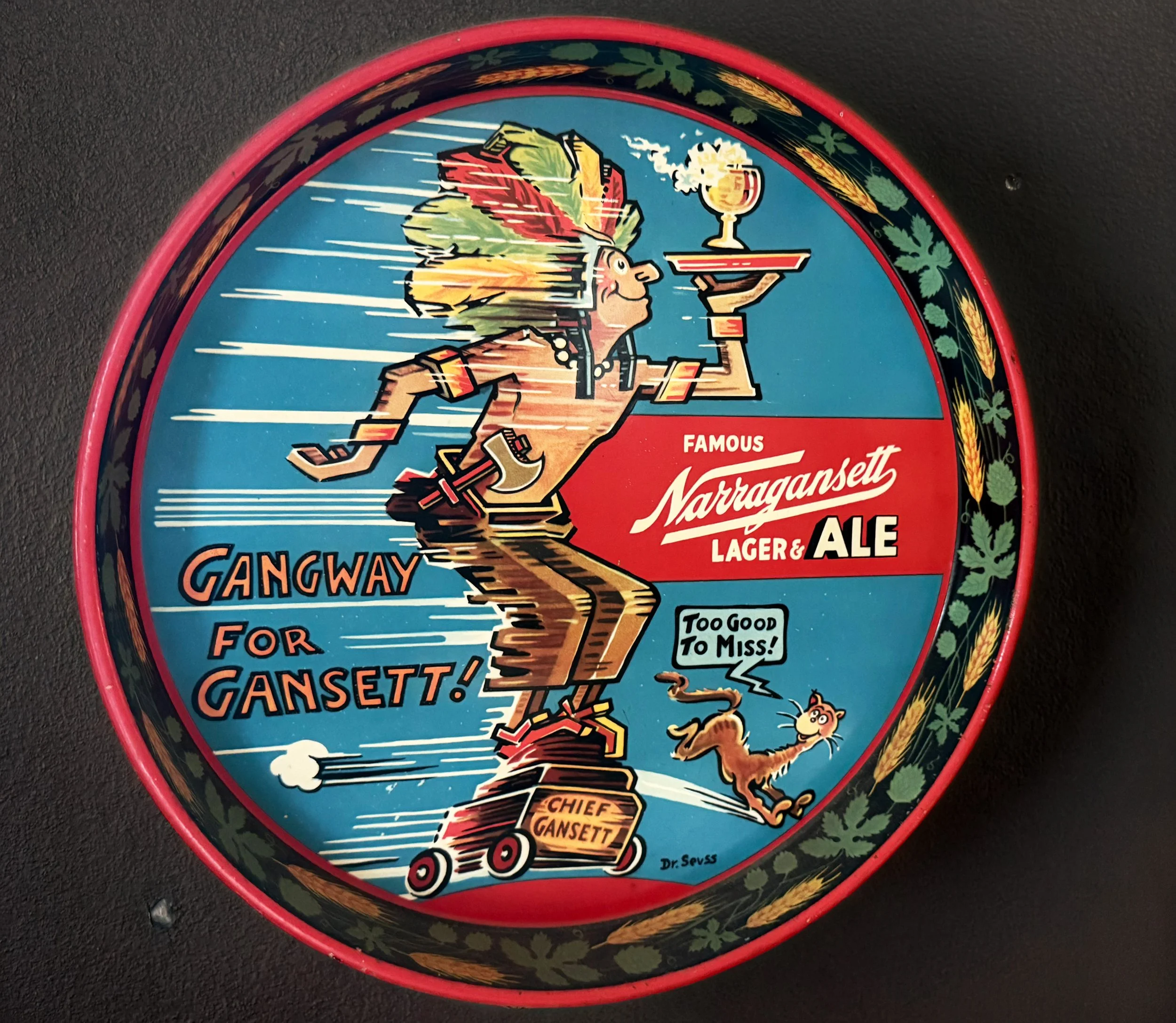 Image 1 of 10
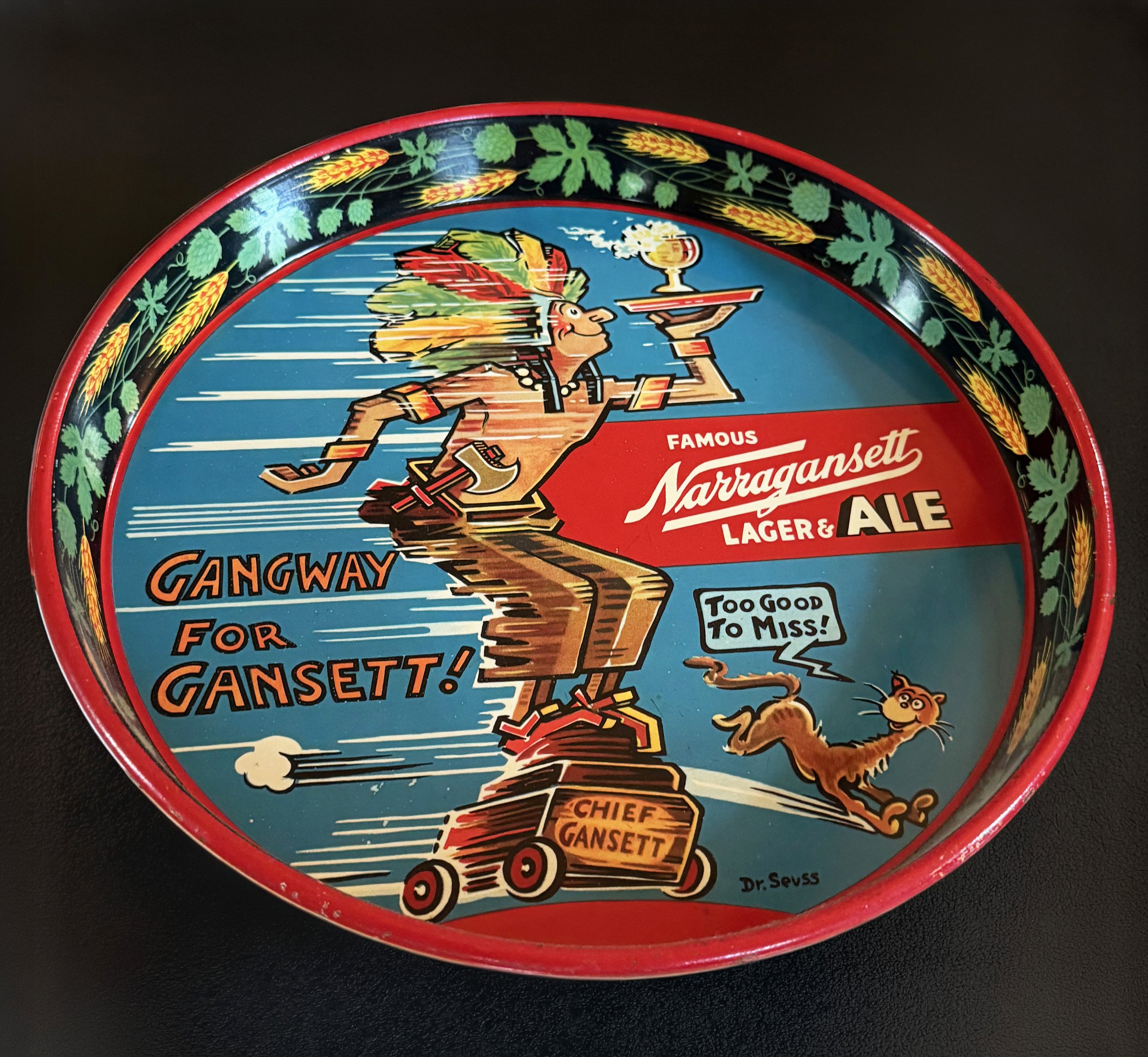 Image 2 of 10
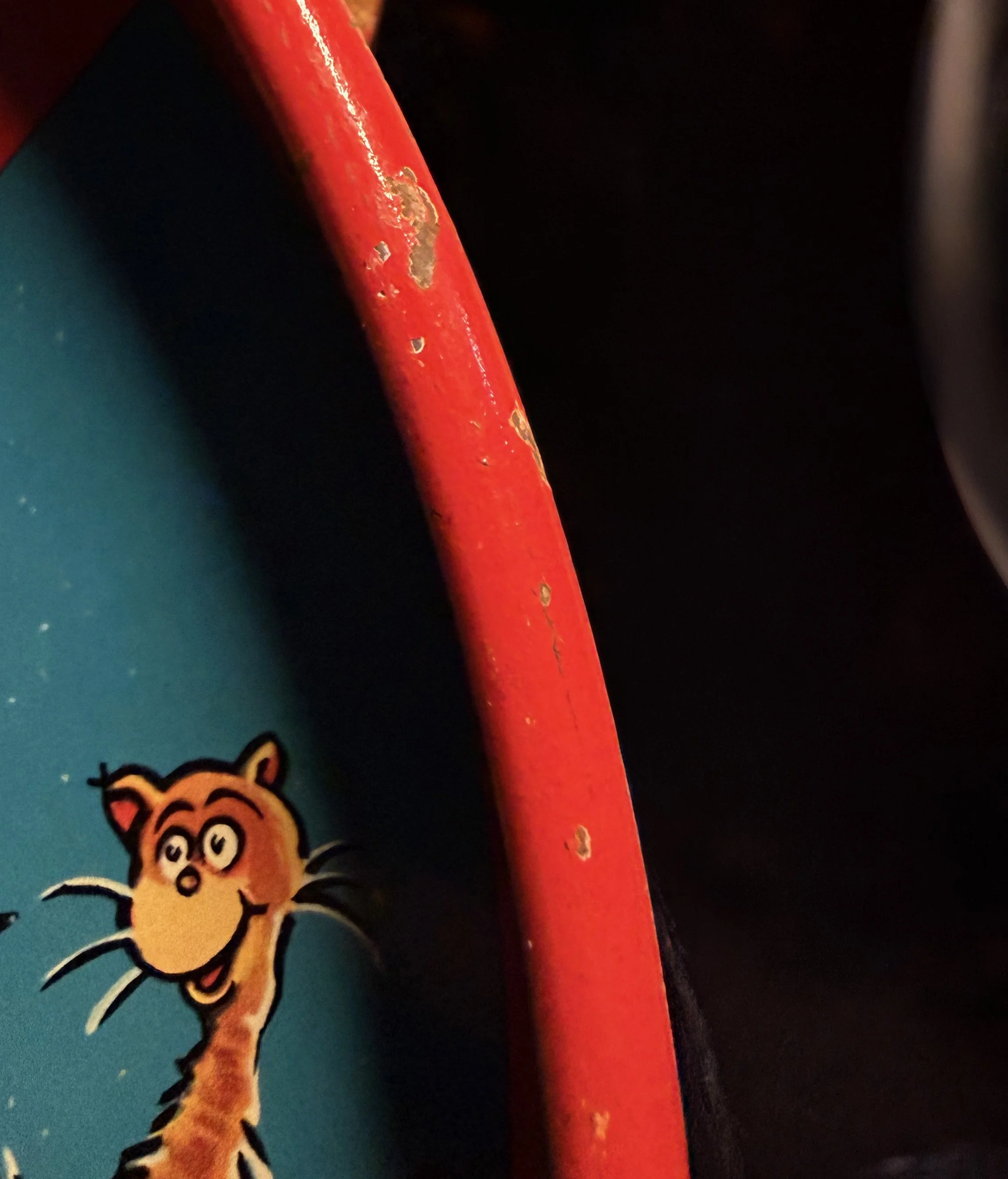 Image 3 of 10
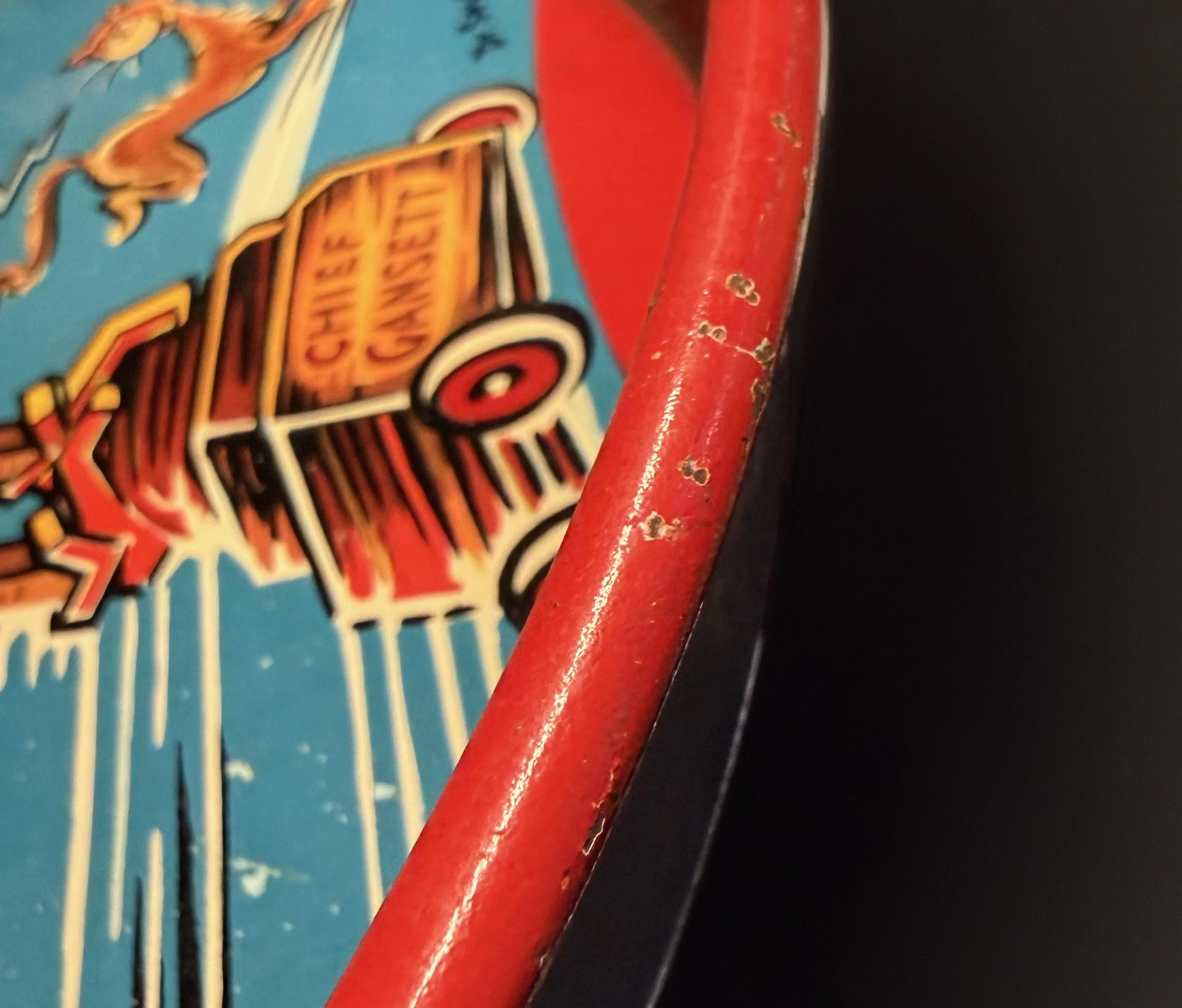 Image 4 of 10
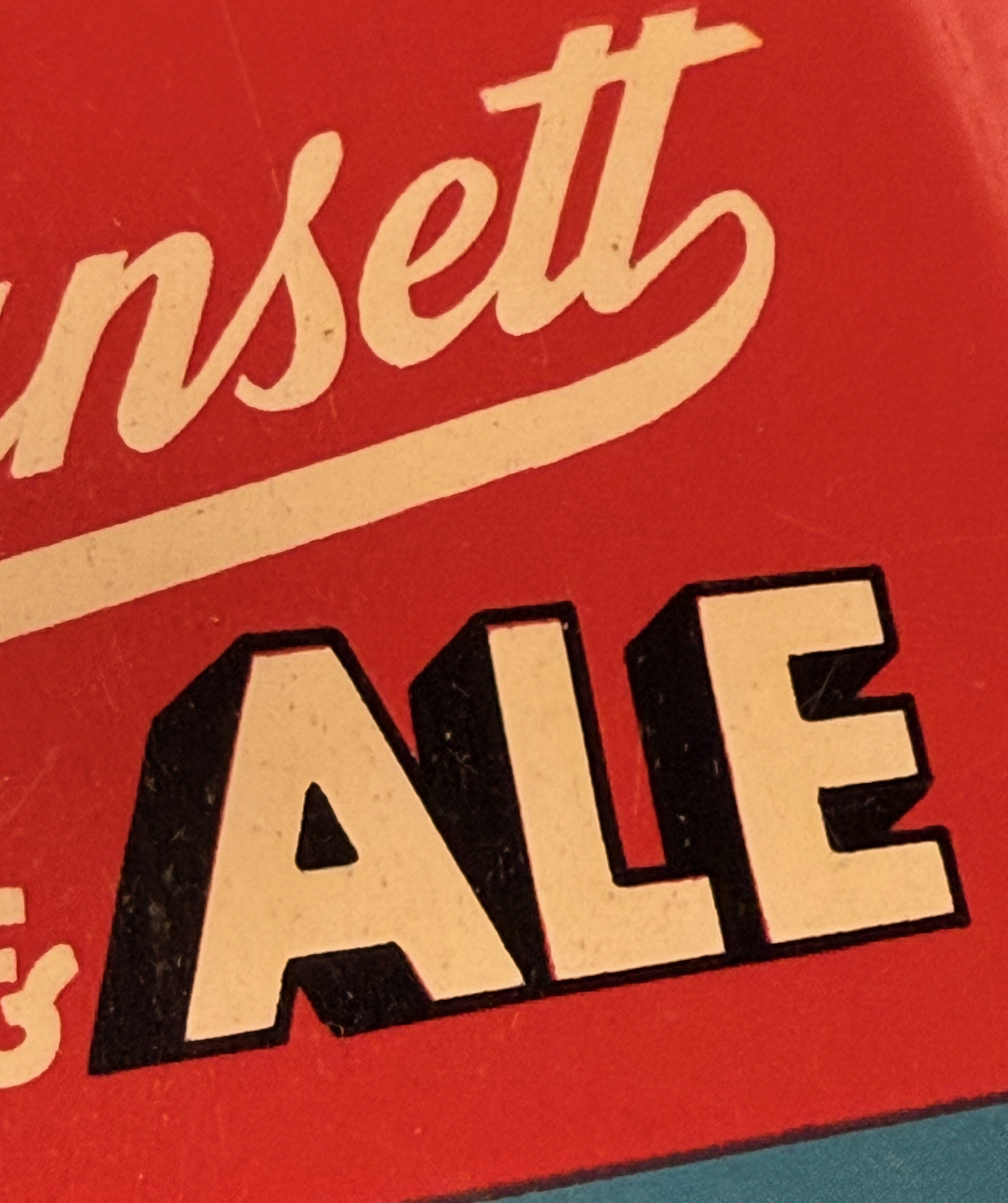 Image 5 of 10
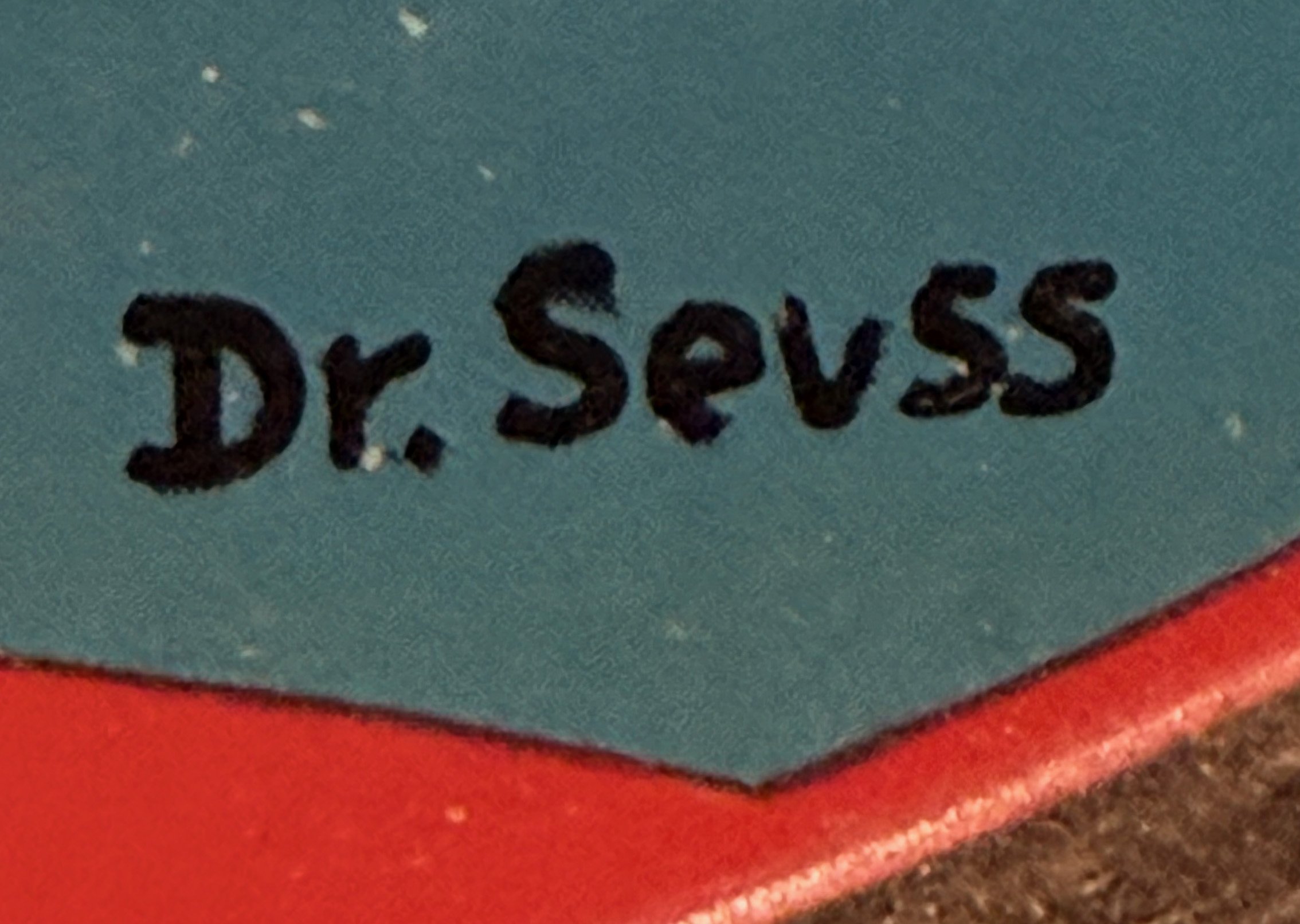 Image 6 of 10
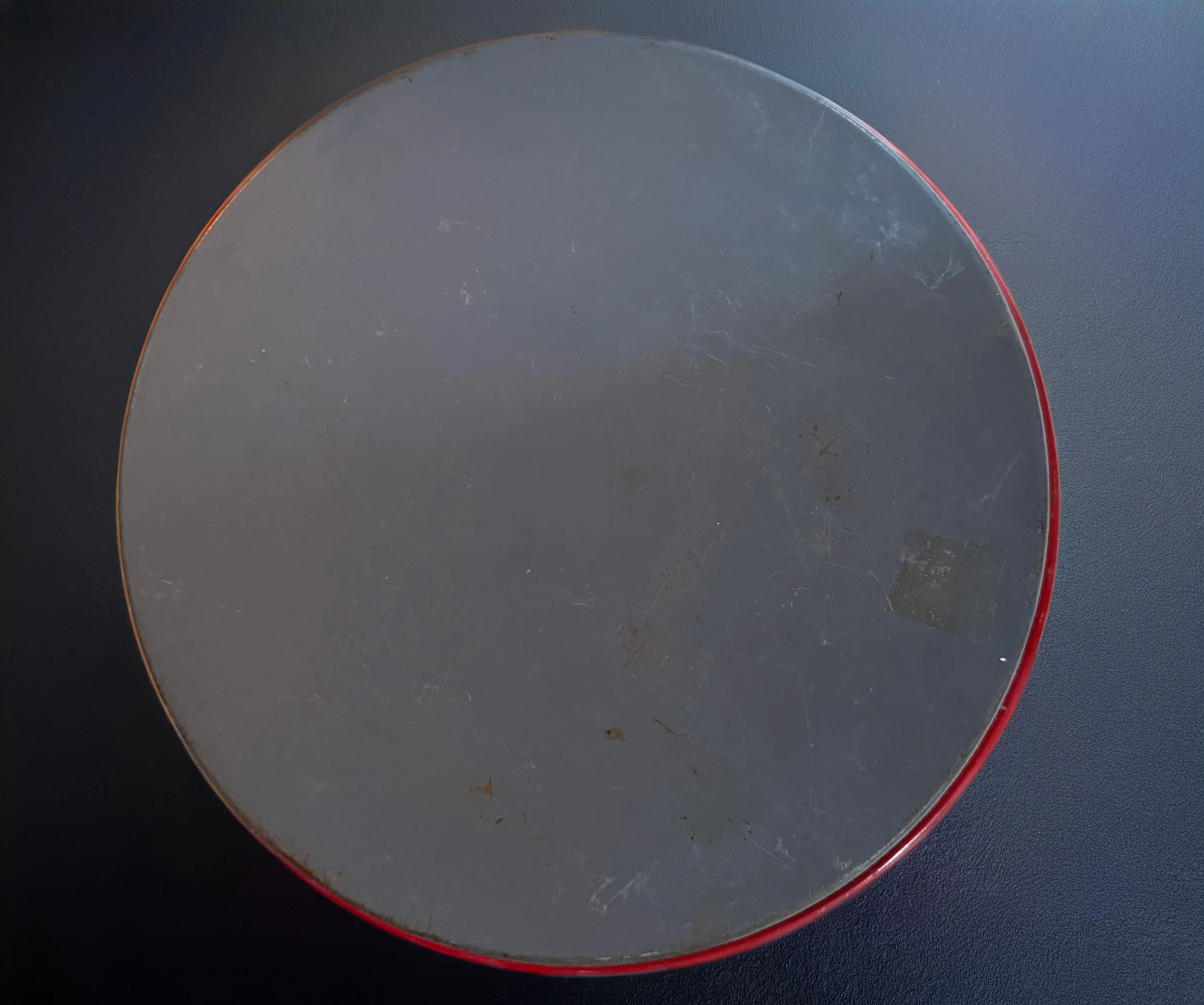 Image 7 of 10
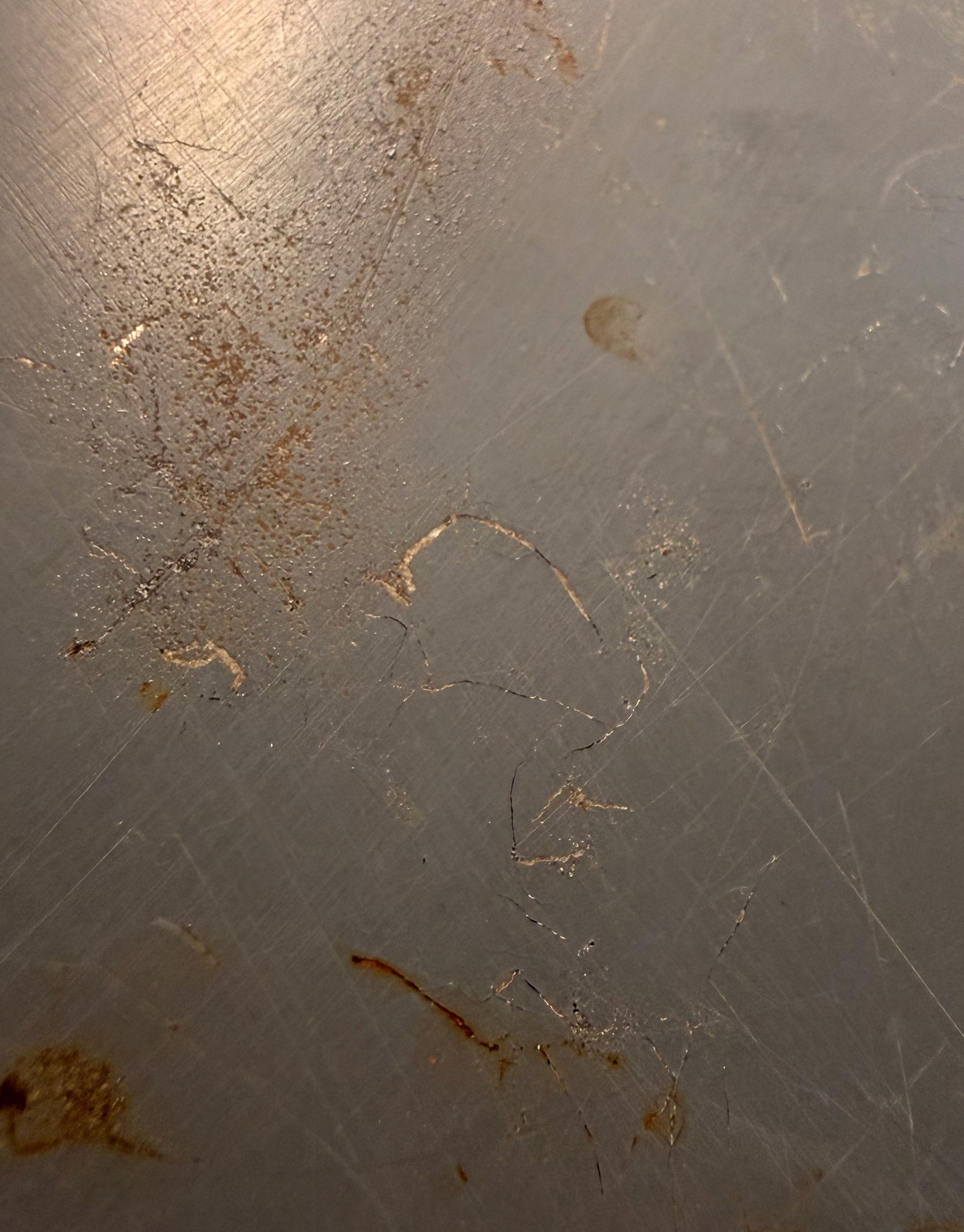 Image 8 of 10
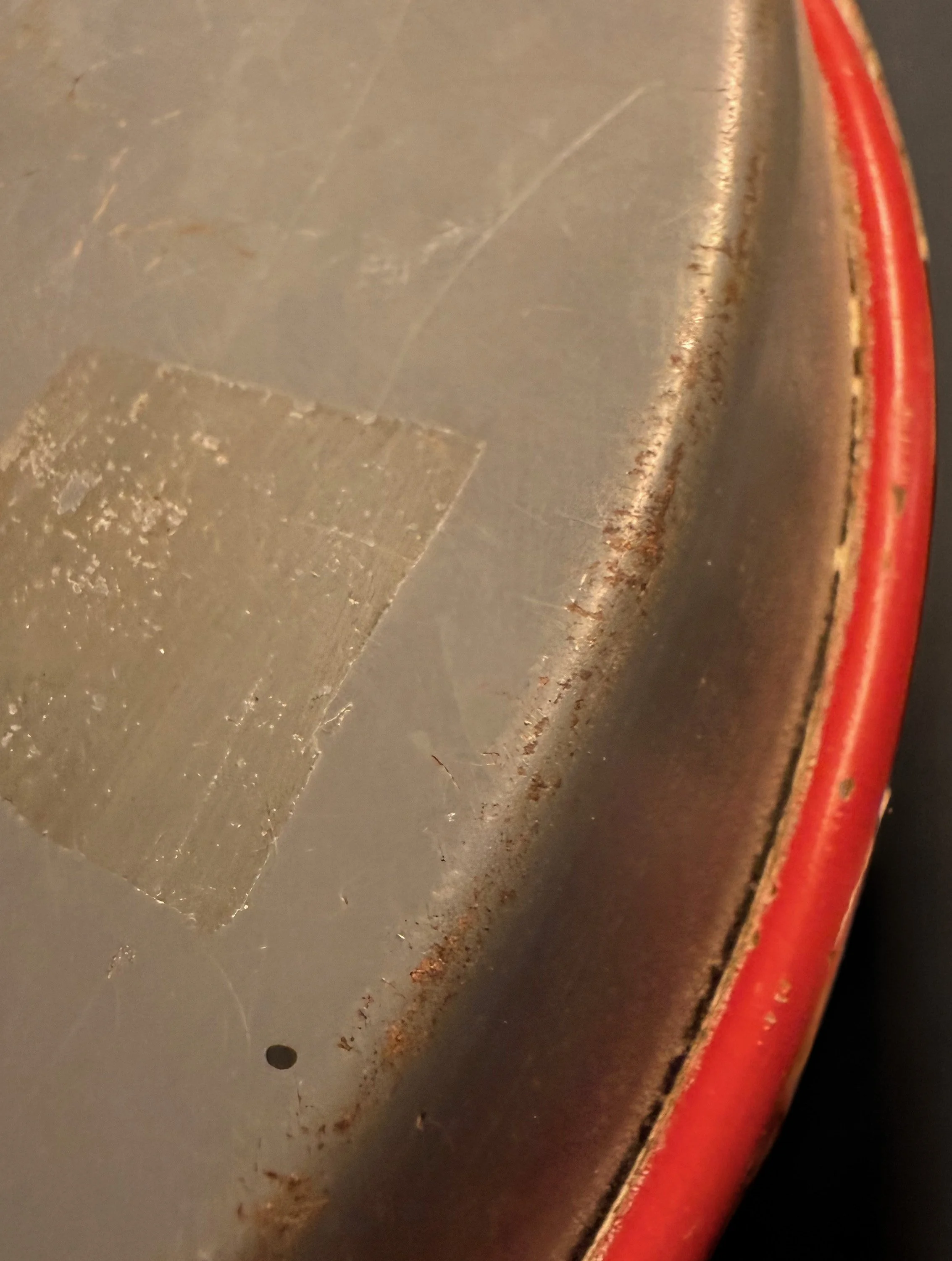 Image 9 of 10
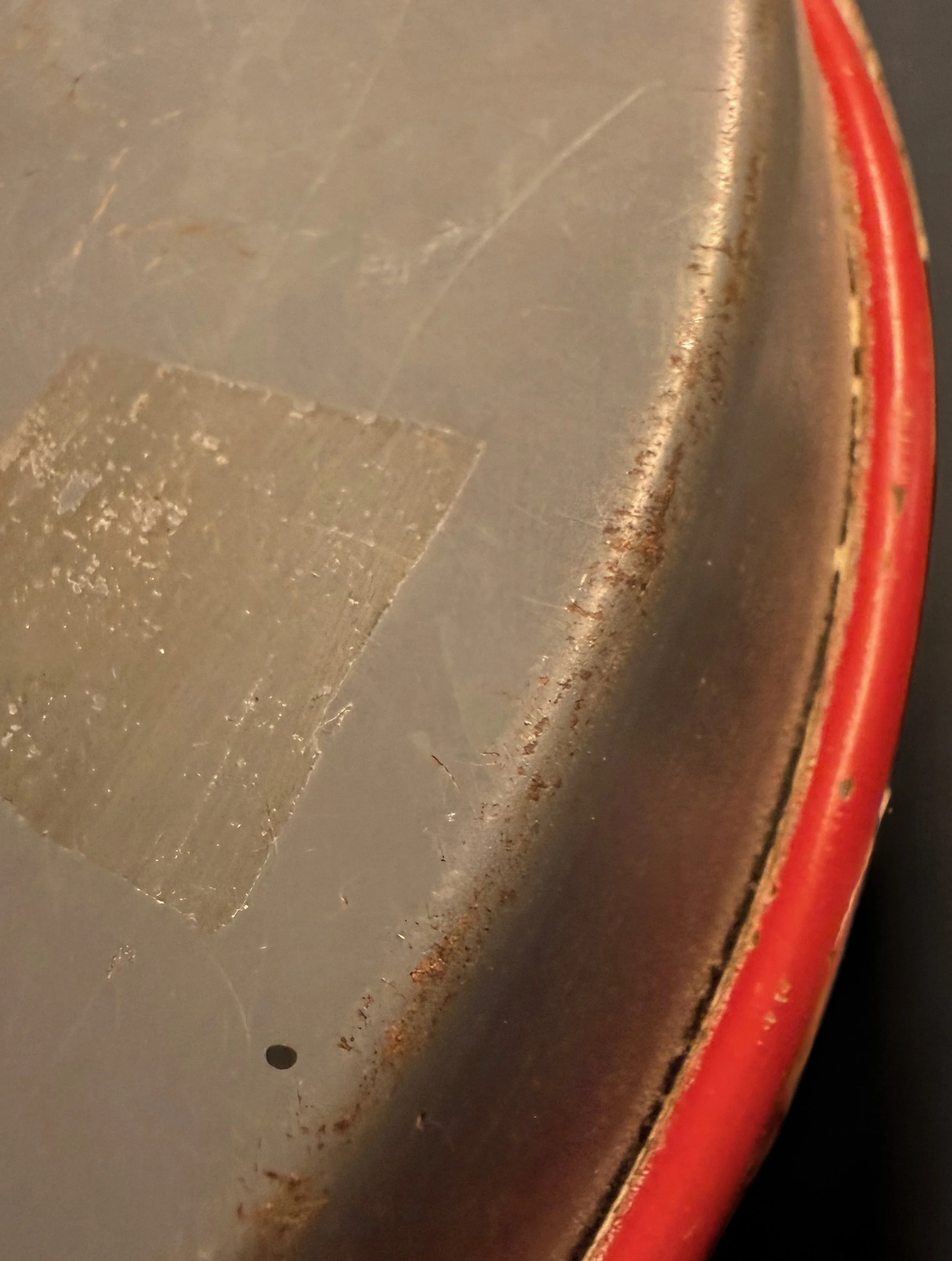 Image 10 of 10